
Accessibility: The Ad Effectiveness Blind Spot
Brands invest heavily in making creative to capture audience attention and drive impact. Yet for a growing share of audiences, that creative isn't being experienced equally. Accessibility is the overlooked factor quietly shaping reach, engagement and brand effectiveness.
More people than ever watch movies, TV and social content without sound. Millions more rely on subtitles all the time, whether they have hearing impairments or not. And yet accessibility is still frequently treated as something added at the end of the advertising production process rather than designed into the creative from the start.
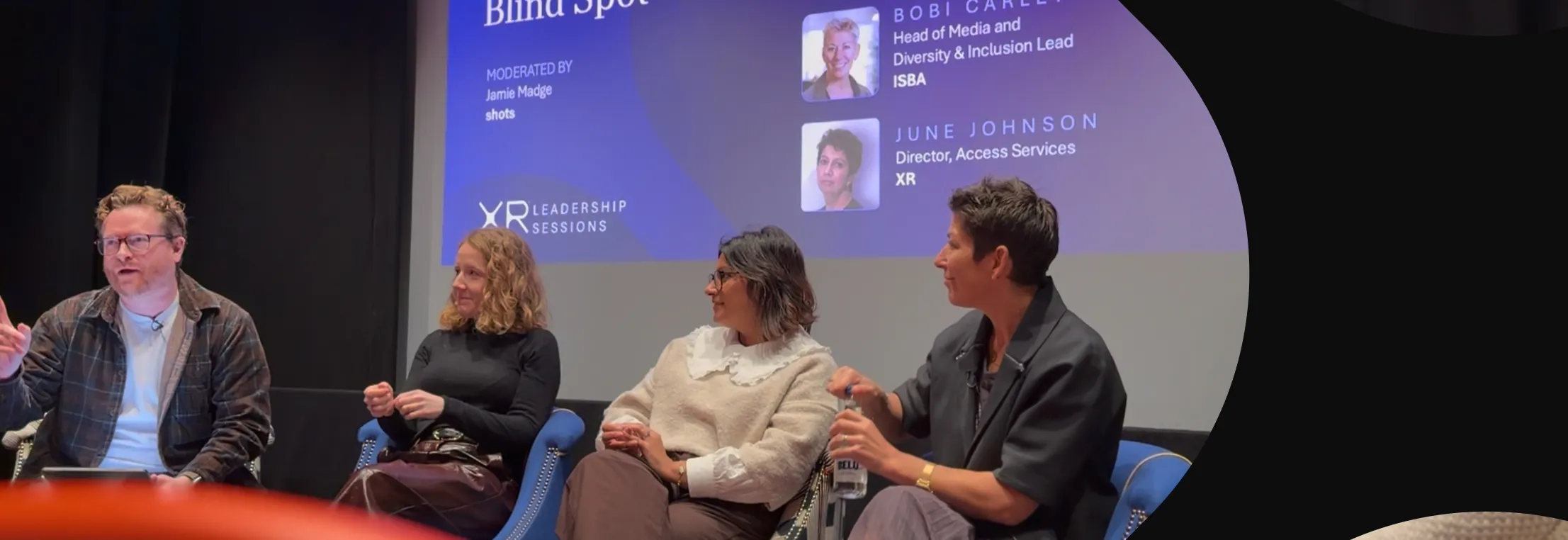
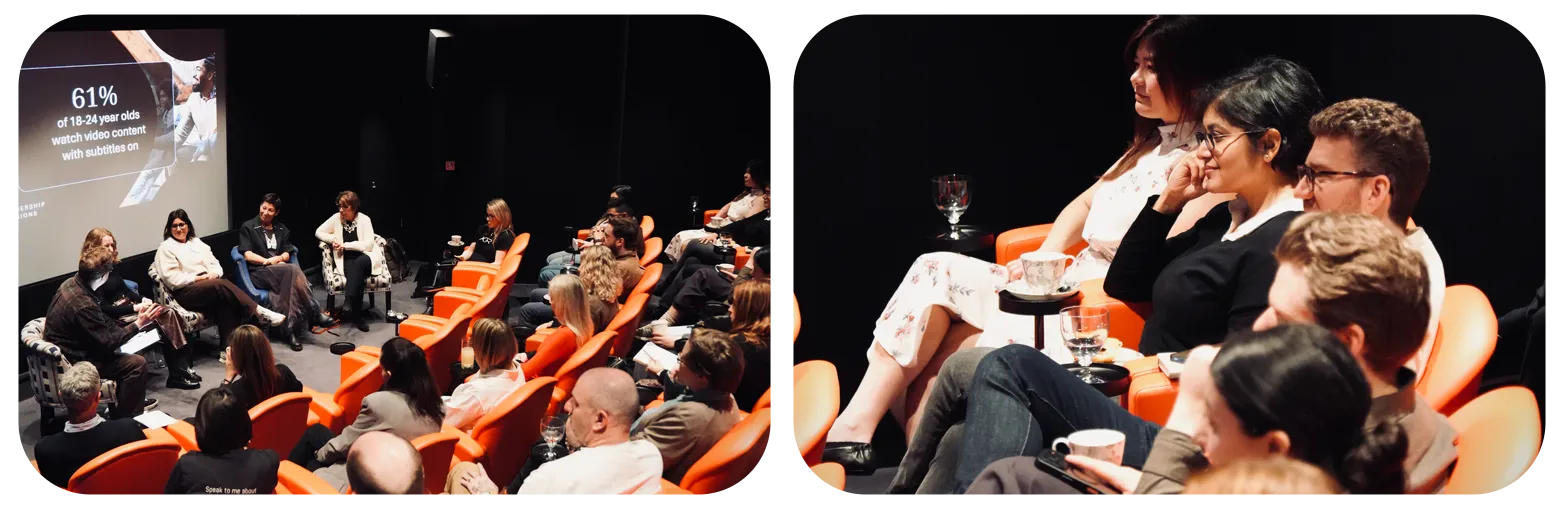
That was the focus at XR’s recent Leadership Session in London, where leaders from brands, broadcasters and industry bodies explored how accessible design is becoming a driver of advertising effectiveness.
Moderated by Jamie Madge, Co-Editor of shots Magazine, the panel featured Aisling Lancaster, Head of Brand & Advertising at Currys; Bansri Shah, Client Partner at Channel 4; Bobi Carley, Head of Media and D&I Lead at ISBA; and June Johnson, Director of Access Services at XR.
A Sound-On Industry in a Sound-Off World
According to the panel, the way audiences consume media has changed dramatically. Watching video without sound, whether commuting, multitasking or second-screening, has quietly become the norm.
“There’s a misconception that subtitles are only for people who are deaf,” said Channel 4’s Bansri Shah. “In reality, a huge portion of the population uses them.”

Among younger audiences, subtitles are now routine. Research shows that 61% of 18–24-year-olds regularly watch with captions enabled to follow dialogue more easily, watch in sound-off environments, or engage as non-native speakers.
Britain’s Channel 4 recently introduced a mandate requiring subtitles across all advertising, the first for any major media company. "Channel 4 is about representing diverse voices and being the channel for all of the UK. You can't do that if you're missing a third of the population," Bansri explained.
Case Study: Currys' "Sigh of Relief"
For brands that build accessibility into campaigns from the start, the benefits go beyond inclusion.
Currys' "Sigh of Relief" campaign, winner of Channel 4's Diversity in Advertising Award, treated accessibility as part of the creative process rather than something added later.
"As soon as we started thinking about accessibility earlier in the process, it improved the whole creative experience," said Aisling Lancaster, Head of Brand & Advertising at Currys.
Rather than limiting creativity, an accessibility-first approach strengthened the storytelling and emotional impact for Currys. Subtitles, visual cues and other inclusive elements were woven into the ad from the start, helping the campaign resonate across viewing environments and audience segments.
The business impact was strong as well. "That campaign ended up being our second best-performing ad ever in terms of long- and short-term sales potential," Aisling revealed.
A Craft, Not Just a Checkbox
But making advertising accessible isn’t simply about switching captions on.
Agencies and brands invest enormous effort into the visual craft of advertising. The accessibility experience deserves the same level of care. Timing, tone and placement all influence whether humour, emotion and narrative land properly for viewers.
“We don’t want to just throw subtitles on at the end,” said XR’s June. “For us, it’s part of the craft and creative process.”
Technology is making it easier to scale accessible formats. AI-powered tools can help generate captions quickly and support production workflows. But speed alone doesn’t guarantee quality and accuracy.
“You always need a bit of a human lens,” June explained. “Even if you’ve created the first pass through AI to save time, it still needs that final check.”
Subtle mistakes are often immediately visible to viewers. As Aisling noted, AI errors such as accidentally subtitling “Currys” as “curries” can quickly undermine the viewing experience, brand resonance, and clarity of the message.
The most effective approach combines the efficiency of technology with human editorial judgement, ensuring subtitles reflect the tone, rhythm and intent of the creative itself.
When accessibility is executed with the same level of creative consideration as the ad, it doesn’t just improve inclusion; it strengthens the impact of the work.
XR is a leader in advertising accessibility, supporting captioning and audio descriptions across its platform globally. To learn more, contact us.
Who We Roll With


